
What is SEO ? A Complete Guide to Search Engine Optimization (2026What is SEO?)
What is SEO? Search Engine Optimization (SEO) is one of the most powerful strategies in digital marketing today. If you want your website to appear on top of search results on platforms like Google, Bing, and Yahoo, understanding SEO is essential.
In this complete guide, you will learn what SEO is, how it works, its types, and how you can use it to grow your website traffic and business online.

What is SEO ?
SEO (Search Engine Optimization) is the process of improving a website’s visibility in search engine results pages (SERPs). It helps your website rank higher when users search for relevant keywords.
In simple words:
SEO helps your website get free traffic from search engines
For example, if someone searches “best digital marketing agency,” SEO ensures your website appears among the top results.
How Search Engines Work
Before understanding SEO deeply, it’s important to know how search engines function. Search engines follow three main st1.eps:
1.Crawling
Search engines use bots (also called spiders) to scan websites and discover new pages.
2.Indexing
After crawling, the content is stored in a database called an index.
3. Ranking
Search engines rank pages based on relevance, quality, and user experience.
SEO helps your website perform better in all these steps.
Why SEO is Important
SEO plays a crucial role in online success. Here are some key benefits:
1. Increases Organic Traffic
SEO helps bring free visitors from search engines without paid ads.
2. Builds Trust and Credibility
Websites that rank higher are considered more trustworthy by users.
3. Better User Experience
SEO improves website speed, mobile usability, and content quality.
4. Cost-Effective Marketing
Unlike paid ads, SEO gives long-term results with minimal cost.
5. Higher Conversion Rates
Targeted traffic leads to better sales and business growth.
Types of SEO
SEO is divided into three main categories:
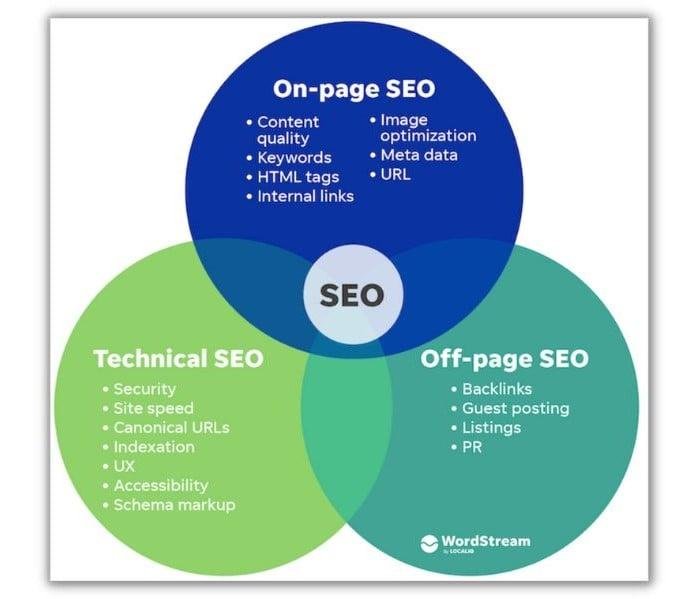
1.On-Page SEO
On-page SEO refers to optimizing elements within your website.
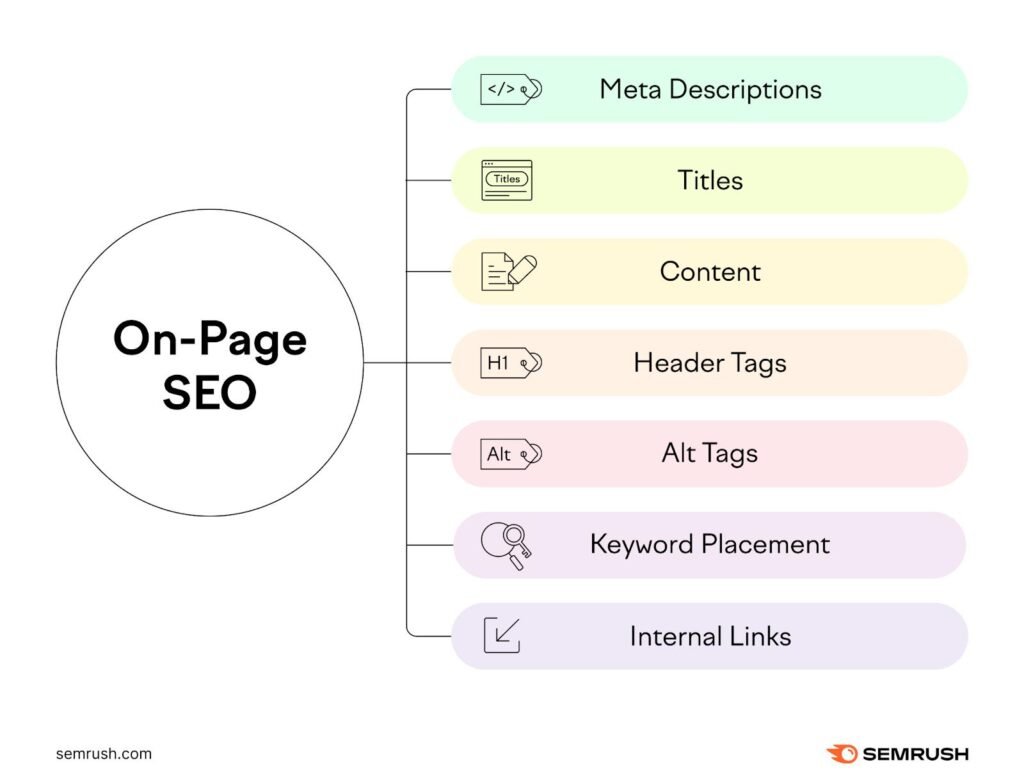
Key Factors:
- Keyword optimization
- Title tags and meta descriptions
- Headings (H1, H2, H3)
- Internal linking
- Content quality
Example: Writing a blog using keywords like “what is SEO” naturally.
2. Off-Page SEO
Off-page SEO focuses on activities outside your website to improve rankings.
Key Factors:
- Backlinks (links from other websites)
- Social media engagement
- Brand mentions
- Guest posting
Example: Getting a link from a popular blog increases your website authority.
3.Technical SEO
Technical SEO ensures your website is easy for search engines to crawl and index.
Key Factors:
- Website speed
- Mobile responsiveness
- HTTPS security
- XML sitemap
- Fixing broken links
Example: A fast-loading website ranks better than a slow one.
How SEO Works (Step-by-Step)
Here is a simple SEO process you can follow:
- Step 1: Keyword Research
Find what people are searching for using tools.
- Step 2: Content Creation
Create high-quality, valuable, and informative content.
- Step 3: On-Page Optimization
Optimize titles, headings, and keywords.
- Step 4: Link Building
Get backlinks from trusted websites.
- Step 5: Performance Tracking
Use tools like Google Analytics and Google Search Console to track results.
Best SEO Tools
Here are some popular tools used in SEO:
- Google Analytics – Track website traffic
- Google Search Console – Monitor performance
- Ahrefs – Backlink and keyword analysis
- SEMrush – Competitor research
- Ubersuggest – Keyword ideas
Latest SEO Trends (2026)
To stay ahead in SEO, follow these trends:
- Voice Search Optimization
More people are using voice assistants for searching.
- AI & Search Algorithms
Search engines use AI to understand user intent better.
- Mobile-First Indexing
Websites must be mobile-friendly.
- High-Quality Content
Content that solves user problems ranks higher.
- Core Web Vitals
User experience signals like speed and stability matter.
Common SEO Mistakes to Avoid
Avoid these mistakes to improve your rankings:
- Keyword stuffing
- Duplicate content
- Ignoring mobile users
- Slow website speed
- Not using meta tags
- Poor quality backlinks
SEO Tips for Beginners
If you are just starting, follow these simple tips:
- Focus on long-tail keywords
- Write user-friendly content
- Optimize titles and meta descriptions
- Use internal linking
- Update content regularly
- Make your website fast and mobile-friendly
Conclusion
SEO is not just a marketing strategy—it is a long-term investment for your online success. By optimizing your website properly, you can attract more visitors, build trust, and grow your business without spending heavily on ads.
Whether you are a student, freelancer, or business owner, learning SEO in 2026 is a must-have skill.
Final Short Definition
SEO (Search Engine Optimization) is the process of improving a website’s visibility in search engines to attract organic traffic and increase online growth.